What Is Call Routing — and Why It Matters Today
In an era where customers expect immediate, accurate, and personalized assistance, call routing has become a central element of modern contact centers. At its core, call routing automates how inbound calls are distributed to the most appropriate agent, department, or AI-powered workflow based on a combination of predefined logic, customer data, and real-time conditions.
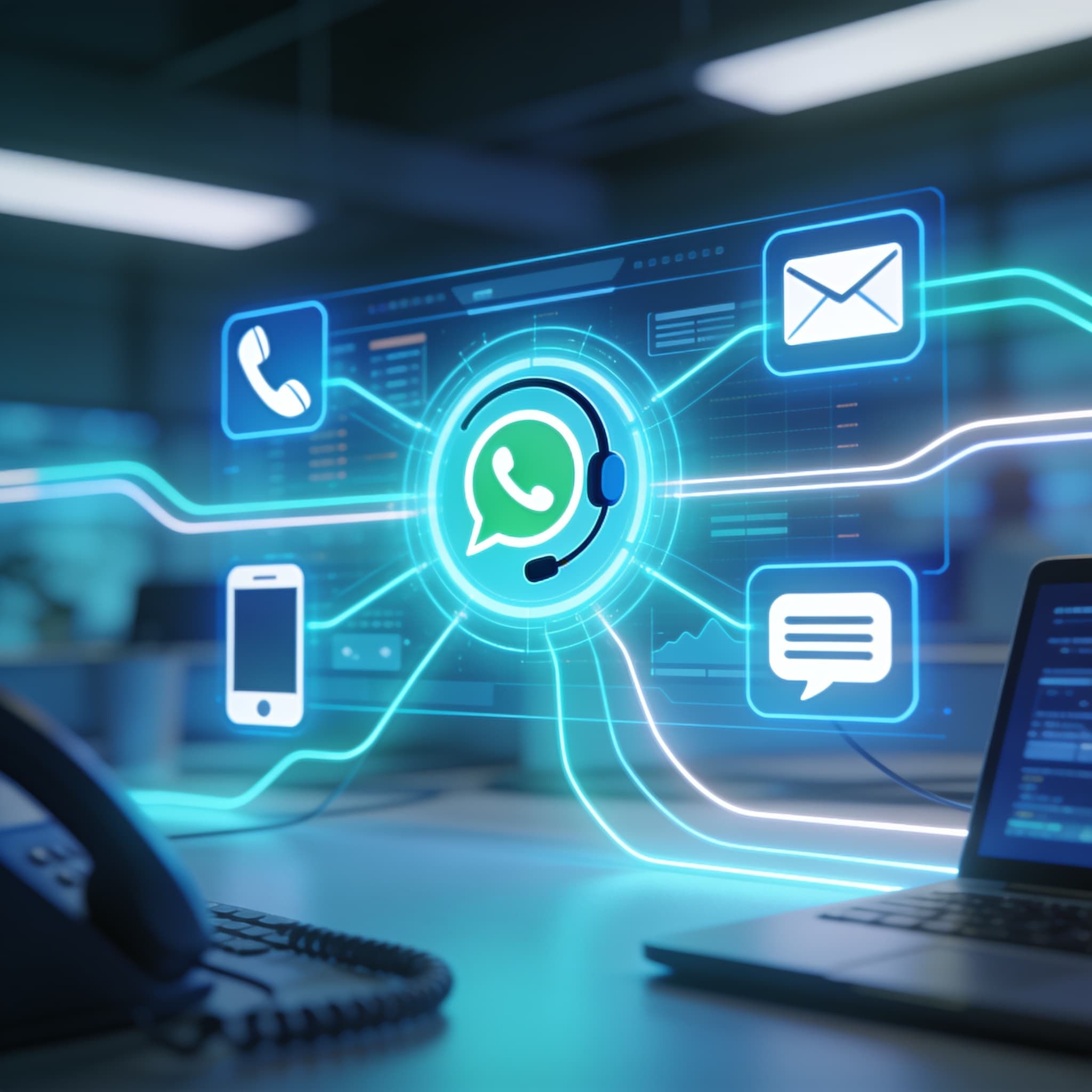
Within Lodgestory’s Omnichannel Voice Platform, call routing operates as part of a unified communication fabric that integrates voice, WhatsApp, Instagram, email, and SMS channels. Whether the caller is a hotel guest seeking concierge assistance, a logistics driver checking shipment status, or a healthcare patient booking an appointment, Lodgestory ensures every interaction is automatically directed to the right destination — within milliseconds.
When implemented effectively, smart call routing can:
- Improve first-call resolution (FCR) by 12–25% by matching customers with the right expert.
- Cut average handling time by 8–30% through better-prepared agent assignment.
- Reduce call abandonment rates by up to 40% by ensuring faster responses.
- Enhance agent satisfaction by balancing workload and reducing cognitive fatigue.
These gains make call routing not just a telephony feature, but a key performance driver for customer experience and operational success.
The Foundations of Lodgestory’s Intelligent Call Routing
Lodgestory’s voice and telephony stack — built on FreeSWITCH with multi-region SIP trunking via Tata Tele and SignalWire — is designed for scalability, reliability, and routing precision. It includes three primary architectural components that bring intelligence to every call:
1. Automatic Call Distribution (ACD)
Automatic Call Distribution is the logic core of Lodgestory’s routing system. It determines who handles an incoming call based on factors such as:
- Agent skills and role (e.g., billing, tech support, booking desk)
- Agent availability and workload balance
- Caller profile from Lodgestory CRM (e.g., loyalty tier, language, issue type)
- Service-Level Agreement (SLA) commitments tracked within Lodgestory’s ticketing module
Lodgestory’s ACD supports multiple routing modes:
- Round-robin: evenly distributes calls among team members.
- Skill-based: connects callers with the most qualified agent.
- Weighted routing: prioritizes senior agents or departments based on inbound volume patterns.
- Intelligent overflow: redirects calls to backup teams during peak load or SLA breaches.
Pro Tip: With Lodgestory, you can define ACD rules per department — for instance, routing all “high-priority” tickets from VIP guests directly to a “Guest Loyalty Desk” queue.
Learn more in How Lodgestory’s Automatic Call Distribution Makes Voice Support Smarter, Faster, and More Human.
2. Interactive Voice Response (IVR)
IVR is the first interaction layer where a caller’s intent is captured — through voice inputs or keypad responses. Traditional IVR systems often frustrate customers with rigid menus. Lodgestory’s modern IVR platform, however, supports dynamic and conversational routing with:
- Speech and DTMF recognition
- Multilingual support for 130+ languages via AI translation
- Customizable menus designed in the visual Bot Journey Builder
- AI fallback to seamlessly hand over customers to intelligent agents
For example, a guest in Dubai can call a resort using Arabic prompts and be instantly connected to an Arabic-speaking concierge. Behind the scenes, Lodgestory’s IVR variables feed into routing algorithms that execute agent assignment with sub-300 ms latency.
See the companion article Top 5 IVR Features Powering Omnichannel Customer Experience in 2026.
3. Routing Algorithms
Routing algorithms are where intelligence meets action. Lodgestory uses a hybrid approach combining rule-based logic, AI prediction, and real-time context scoring to make routing decisions.
Each incoming call is enriched with CRM data, ticket history, and even current channel activity — if the same customer messaged on WhatsApp seconds earlier, the system knows. Routing logic can then consider variables such as time of day, customer segment, or active campaigns.
Common models include:
- Skill-based routing
Prioritizes agent expertise and language. - Priority routing
Ensures high-value or SLA-breaching requests are solved first. - Geographic routing
Connects customers to local teams or branches. - Data-driven routing
Uses AI insights from Lodgestory Analytics to match queries with high-performing agents.
This logic drives faster, more accurate, and more consistent outcomes across every voice touchpoint.
Call Routing vs. Call Forwarding — Key Differences
While small organizations might rely on simple call forwarding (redirecting calls to a single number), call routing is far more dynamic. Lodgestory enables businesses to move beyond static forwarding toward multi-criteria routing across departments.
| Feature | Call Routing (Lodgestory) | Call Forwarding |
|---|---|---|
| Intelligence | Data-driven logic (skills, CRM, SLA) | Simple redirection |
| Scalability | Handles unlimited volume | Suitable only for small volumes |
| Flexibility | AI, time, or event-triggered routing | Manual setup only |
| Reporting & Analytics | Full voice analytics dashboard | Limited or none |
| Omnichannel Context | Integrated with chats, tickets, campaigns | Voice only |
By adopting smart routing instead of forwarding, businesses gain the ability to manage large-scale, distributed contact centers with real-time control and reporting.
8 Call Routing Strategies Businesses Can Implement with Lodgestory
-
Skill-Based Routing
Assigns calls to agents with matching skills — language, product knowledge, or department. This feature dramatically boosts first-call resolution. E.g., a French-speaking caller automatically connects to a French-speaking technical support agent. -
Priority Routing
Handles high-priority or VIP customers first. Within Lodgestory’s ticketing system, these calls can also trigger automatic SLA countdowns or escalation workflows. -
Geographic Routing
Ideal for multi-region hospitality groups or logistics companies — calls are sent to the local branch or time zone team. -
Time-Based Routing
Ensures availability by routing after-hours calls to remote or night-shift teams, or activating AI agents during off-hours. -
Queue-Based Routing
Lodgestory’s call queues follow configurable priority tiers. When queues overflow, calls can auto-trigger WhatsApp follow-ups or callback requests. -
Customer-Driven Routing
Lets repeat callers request preferred agents. Lodgestory CRM records agent preference, preserving human continuity. -
Data-Driven Routing
Ingests customer insights — like account value or purchase intent — to customize routing paths. -
Hybrid Routing
Combines all above methods to optimize experience dynamically. For example, during seasonal hotel peaks, AI agents can handle pre-check-in FAQs while live agents manage premium guest calls.
Key Business Benefits of Lodgestory’s Smart Routing
Implementing Lodgestory’s call routing architecture brings measurable improvements across all support KPIs:
- Lower Average Time in Queue (ATiQ): intelligent queuing reduces perceived wait times.
- Higher First Call Resolution (FCR): better alignment of agent skill and customer issue.
- Reduced Call Transfers: fewer hops between departments, saving 15–25% average handle time.
- Increased Customer Satisfaction: faster, context-aware support leads to better CSAT.
- Cost Efficiency: by automating routine inquiries via IVR or AI agents, teams save up to 30% in staffing costs.
- Scalability During Peak Seasons: auto-routing across geographies supports 24×7 operations.
For example, a hospitality chain using Lodgestory reduced front-desk call overflow by 48% after deploying data-driven routing that diverted common pre-arrival questions to AI agents on WhatsApp and voice simultaneously.
Best Practices for Implementing Smart Call Routing
To maximize returns from Lodgestory’s voice intelligence framework, follow these key practices:
- Define Clear Skill Categories: in CRM and team settings, tag agents with languages, products, or tier expertise.
- Use AI to Predict Intent: integrate AI agent summaries to identify common inbound intents before routing.
- Associate IVR Menus with Bot Journeys: ensure each IVR step corresponds to a specific escalation or self-service journey.
- Monitor Routing KPIs: track metrics like ATiQ, AHT, FCR, and SLA breaches directly within Lodgestory Analytics.
- Automate After-Hours Support: deploy AI voicebots that handle off-hour calls and schedule human callbacks.
- Continuously Optimize: adjust routing algorithms as new patterns emerge—Lodgestory supports live reconfiguration.
The Future of Call Routing — From Voice to Omnichannel Orchestration
As customer service becomes increasingly AI-first, call routing is evolving beyond telephony into full omnichannel orchestration. In Lodgestory, routing logic unifies voice calls, chat messages, and email threads into a single customer journey. This allows businesses to:
- Seamlessly transfer voice calls to WhatsApp chats mid-conversation.
- Escalate missed calls into automated callback tickets.
- Trigger post-call review surveys across any connected channel.
Voice, once an isolated helpdesk function, now powers conversational pipelines that blend automation with human expertise.
For deeper insights into multimodal routing, explore The Future of IVR in Omnichannel Communication: How Lodgestory Is Redefining Voice Automation and Lodgestory Voice AI Platform: Redefining the Future of Omnichannel Contact Centers.
Building Your Routing Framework with Lodgestory
Whether you manage a call-heavy front desk, a logistics dispatch center, or a telehealth hotline, Lodgestory provides everything you need to orchestrate voice interactions intelligently — from ACD, IVR, and CRM-based routing to AI-driven ticket assignment.
Ready to transform your call performance and CX outcomes? Sign up with the Free Forever Plan and start building your smart routing workflows today.