What Is a Call Tag and Why It Matters in Modern Customer Service
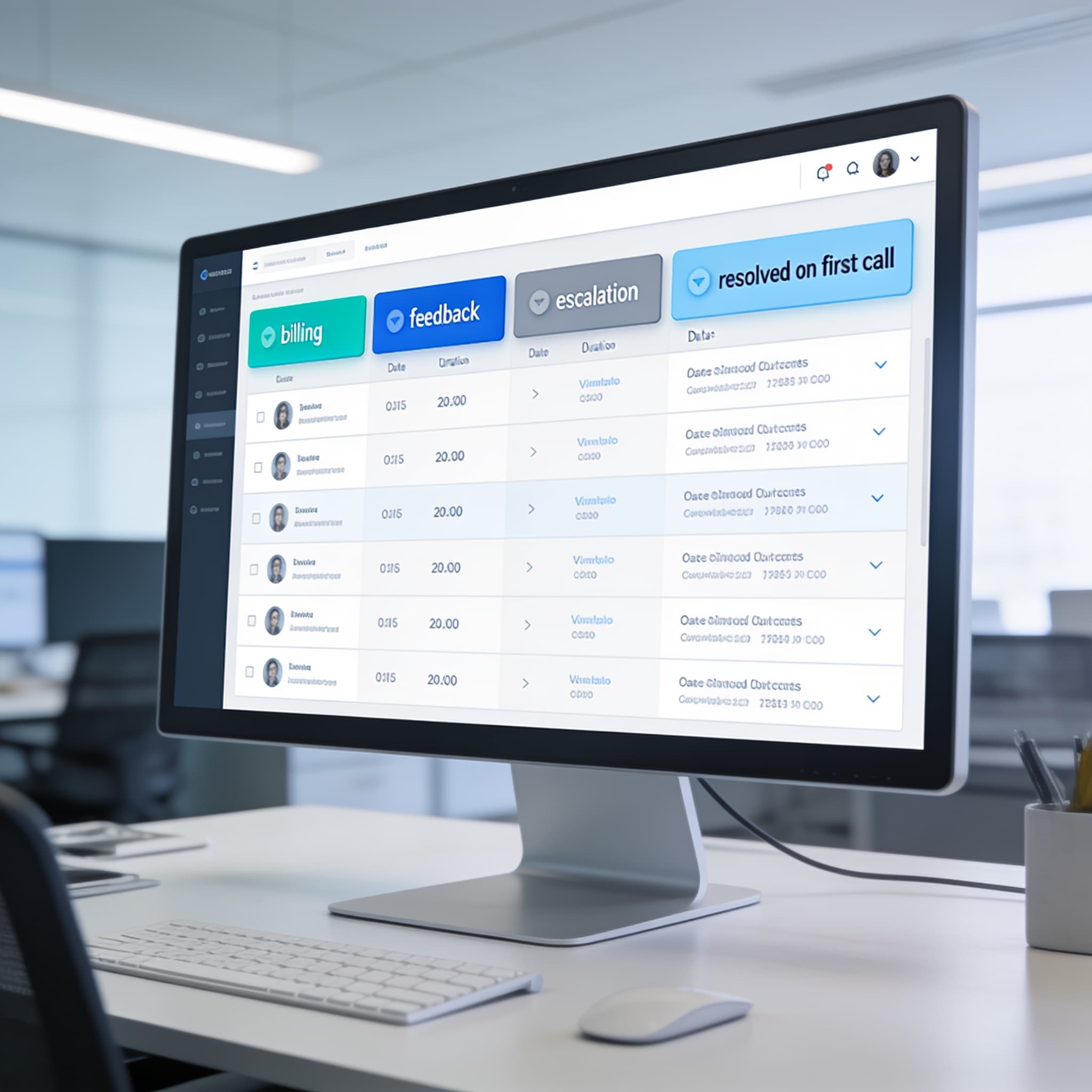
In today’s AI-driven omnichannel contact centers, call tags play a crucial role in transforming raw voice conversations into structured, actionable intelligence. Simply put, a call tag is a label assigned to an individual call that categorizes its content, purpose, or sentiment. Within Lodgestory’s Unified Inbox and Voice/IVR platform, every call can automatically receive contextual tags such as “technical issue,” “billing inquiry,” “positive feedback,” or “follow-up required.”
Call tagging was once a simple “reason code” chosen by agents after a conversation. But in 2026, it’s become the foundation for analytics, automation, and personalization across the entire customer journey.
Examples of Common Call Tags
Call tags can describe many different attributes, helping teams interpret the “why” behind every voice interaction. Examples include:
- Billing inquiry — customer questions related to invoices, refunds, or card charges.
- Product feedback — insight provided by customers on features or usability.
- Cancellation request — calls where the customer wants to modify or terminate a service.
- Escalation — calls transferred to a specialist or higher-tier agent.
- Resolved on first call — issues successfully resolved without callbacks.
- Churn risk — calls with negative sentiment or dissatisfaction indicators.
In Lodgestory, you can configure these tags manually or let AI Agents apply them automatically based on tone analysis, transcription, and detected intents — saving every agent minutes per call.
How Call Tags Enhance Customer Service Operations
1. Organization and Context at Scale
Call tags bring order to the chaos of thousands of daily voice interactions. Within Lodgestory's CRM, these tags attach directly to contact records, showing a complete log of what types of calls each customer has made and how they were resolved.
For example, a resort chain using Lodgestory might filter tagged calls to identify whether 40% of last week’s calls were about early check-ins. With that insight, they can update their AI bot journeys or pre-send WhatsApp reminders about check-in times — eliminating recurring manual queries.
2. Actionable Analytics and Reporting
Call tags turn unstructured speech into measurable data. With Lodgestory Analytics, teams can:
- Track call volumes per tag (e.g., 300 “billing” vs. 120 “technical” this month).
- View sentiment trends over time (e.g., improving post-script change satisfaction).
- Measure First Call Resolution (FCR) rates by category.
- Quantify which topics demand automation or knowledge base updates.
These insights feed into dashboards that inform product development, marketing, and operational decisions — linking customer experience directly to business metrics.
3. AI-Powered Automation and Follow-Ups
Lodgestory’s AI Agents, powered by custom knowledge bases and voice transcripts, automatically tag calls based on keywords, sentiment, and outcome analysis. If a caller mentions “cancel subscription,” the system can tag the call as churn risk and trigger a follow-up workflow: send a personalized WhatsApp retention offer or assign a ticket in SLA-based Ticketing & CRM.
This kind of AI-driven tagging has reduced post-call administrative time by up to 40% for hospitality and healthcare clients using Lodgestory’s platform — freeing agents to focus on empathy rather than data entry.
4. Spot Trends and Create Proactive Campaigns
Imagine discovering that “delivery delay” calls tripled weekly. With Lodgestory, teams can cross-reference this data to automatically trigger a proactive SMS or WhatsApp update to all impacted customers, reducing call load and improving CSAT.
This closed-loop between tagging, analytics, and communication allows organizations to:
- Anticipate demand surges.
- Proactively resolve recurring concerns.
- Optimize self-service FAQs and AI responses.
It’s how modern companies — from hotels managing check-in questions to logistics providers handling shipment status calls — maintain operational agility.
Why Call Tagging Has Become Mission-Critical in 2026
The Data Behind the Shift
According to market data, the global Call Center Analytics market is projected to grow from $2.5B in 2023 to over $9B by 2032, a 15% CAGR. Companies are investing heavily in instrumentation — call tagging, speech analytics, and omnichannel intelligence — to understand how voice interactions affect retention and revenue.
Meanwhile, AI-driven contact center automation is cutting costs by 25–40% while improving first-contact resolution and response times. In Lodgestory, call tags play a direct role in enabling this automation — they connect voice data with the rest of your omnichannel ecosystem, spanning WhatsApp, Email, and Instagram.
In a world where 71% of consumers expect personalized interactions and 76% get frustrated when they don’t receive them, automated tagging ensures your agents always have the right context before engaging.
How Lodgestory Makes Call Tagging Seamless
What sets Lodgestory apart from legacy systems is how deeply integrated call tagging is across products.
1. Unified Voice + Inbox
All voice interactions sit alongside messages from WhatsApp, SMS, and Email in a single shared inbox — with consistent tagging schemas across every channel.
2. AI Tagging & Transcription Integration
AI agents automatically process voice recordings, create call summaries, tag intent and sentiment, and even suggest follow-up actions or broadcast campaigns.
3. Multi-Channel Data Continuity
A tag applied in a phone call syncs with future WhatsApp or Email threads. Whether your team is responding via web chat or IVR callback, every interaction inherits full context from the tags already attached.
4. Tag Analytics & Reports
Leadership gets dashboards that break down call topics by department, time slot, resolution status, or sentiment — powering strategy reviews and quality audits.
Beyond Categorization: Turning Tags into AI Actions
In Lodgestory’s omnichannel ecosystem, tags do more than just describe interactions — they drive automation:
- Campaign Triggers: Send follow-up WhatsApp messages for tags like “Quote Request” or “Promo Interest.”
- Workflow Automation: Automatically assign “Complaint” tags to senior agents with SLA alerts.
- AI Agent Routing: Use tags as criteria in Bot Journey Builder automations — for example, redirect “Cancellation” calls to retention bots with personalized re-engagement offers.
- Customer Journey Personalization: Tailor subsequent touchpoints, such as upsell scripts or satisfaction surveys, using data inferred from previous call tags.
This application of tags as structured variables across the Lodgestory platform embodies the promise of AI Experience Reimagined: transforming every conversation into measurable, automatable intelligence.
Building Your Tagging Strategy with Lodgestory
Here’s how businesses adopt call tagging effectively within Lodgestory:
- Define Your Tag Taxonomy. Start with 5–10 essential categories such as Issue Type, Sentiment, Product Line, and Outcome.
- Leverage AI Auto-Tagging. Allow Lodgestory’s voice AI to tag most interactions and reserve manual tagging for special cases.
- Connect Tags to Metrics. Use tag-filtered analytics to optimize key KPIs like FCR, AHT, and CSAT.
- Iterate. Review tag performance monthly — merge redundant tags, refine sentiment models, and expand categories as your service grows.
By continuously improving tagging structures, businesses keep analytics meaningful, reduce call repetition, and enhance collaboration across sales, support, and marketing.
The Future of Call Tagging
Looking ahead, as more interactions shift to AI-powered hybrid conversations, call tags will evolve into cross-channel experience markers — not just labels, but system-level entities guiding the agent handoff, AI suggestions, and workflow orchestration.
In platforms like Lodgestory, these tagged insights will power everything from Voice Commerce journeys to multilingual support experiences across continents (learn more here).
If you’re ready to turn your voice interactions into structured insights that drive automation and customer satisfaction, start today with Lodgestory.
Sign up with our Free Forever Plan and experience unified call intelligence across every touchpoint.