What Is Call Barging and Why It Matters Today
Call barging is a voice supervision feature that enables a manager or team lead to join a live call between an agent and a customer — instantly, and without disconnecting or transferring either party. Within Lodgestory’s Voice/IVR suite, this capability is part of the monitor–whisper–barge control system. Supervisors can choose to:
- Monitor calls silently to assess quality.
- Whisper privately to agents while the customer cannot hear them.
- Barge directly into the conversation to assist or de‑escalate a situation in real time.
In high‑density support environments such as hotels, logistics operations, and healthcare call desks, call barging acts as both a real‑time coaching tool and a safety net — allowing supervisors to step in when a conversation requires expert input, calming influence, or compliance precision.
The Evolution of Call Barging in Modern Contact Centers
Globally, contact center operations are handling thousands of voice interactions per month, with over 60% of businesses reporting post‑pandemic call volume increases. The broader contact center software market is expected to reach over USD 180 billion by the early 2030s, driven by the shift to intelligent cloud telephony and AI‑assisted conversation management.
Originally a telephony function, call barging has evolved into a strategic management tool. It now sits at the heart of performance analytics, agent enablement, and real‑time customer recovery. On Lodgestory, barging integrates seamlessly with automated call logs, SLA tracking, and AI‑driven analytics, allowing supervisors to not only intervene — but measure every intervention’s outcome.
With Lodgestory’s call supervision layer, teams reduce escalations by up to 35%, shorten average handle time, and accelerate agent training cycles by as much as 50%.
How Lodgestory Implements Call Barging
Lodgestory’s Voice & IVR engine, built on FreeSWITCH and SIP trunked across Tata Tele and SignalWire, powers enterprise‑grade features such as:
- Real‑Time Call Monitoring and Whisper Mode – Supervisors can listen or coach discreetly within the same Unified Inbox interface used for WhatsApp, Email, and Instagram chats.
- Barge‑In and Takeover Control – Enter live calls in a single click using the WebRTC Softphone, ideal for de‑escalating VIP guest complaints or resolving delivery‑critical customer issues.
- Call Recording & Analytics – Record, tag, and analyze each call for agent performance reviews and compliance reports.
- AI‑Based Sentiment Supervision – Lodgestory’s AI Agents with Tool Calling can detect negative sentiment or escalation triggers and alert supervisors when to barge in.
- Multi‑Channel Visibility – Even after a voice call, the interaction history — voice transcript, CRM properties, and related tickets — remains unified across channels.
This integrated workflow differentiates Lodgestory from fragmented telephony vendors by offering a full feedback loop between live intervention, AI detection, and performance analytics.
When to Use Call Barging Effectively
In practice, barging is most effective in these scenarios:
-
Agent Training & Onboarding
Lodgestory clients in hospitality use “barge” and “whisper” sessions to shadow new front‑desk team members, simulating real interactions under supervision — reducing the average training period by 40%. -
High‑Value Escalations
For travel providers or e‑commerce brands managing priority guests or high‑ticket transactions, barging allows a team lead to immediately assist without holding or transferring calls. -
Quality & Compliance
Healthcare clients use monitor mode to ensure compliance with privacy protocols; barging acts as a last‑line defense against miscommunication or mis‑triaged emergency calls.
Call Barging vs. Call Monitoring: The Full Supervision Spectrum
| Mode | Who Hears Supervisor | Typical Use Case |
|---|---|---|
| Monitor | Neither Agent nor Customer | Silent quality observation |
| Whisper | Agent Only | Coaching and assistance without customer awareness |
| Barge | Agent and Customer | Active escalation, de‑escalation, and service recovery |
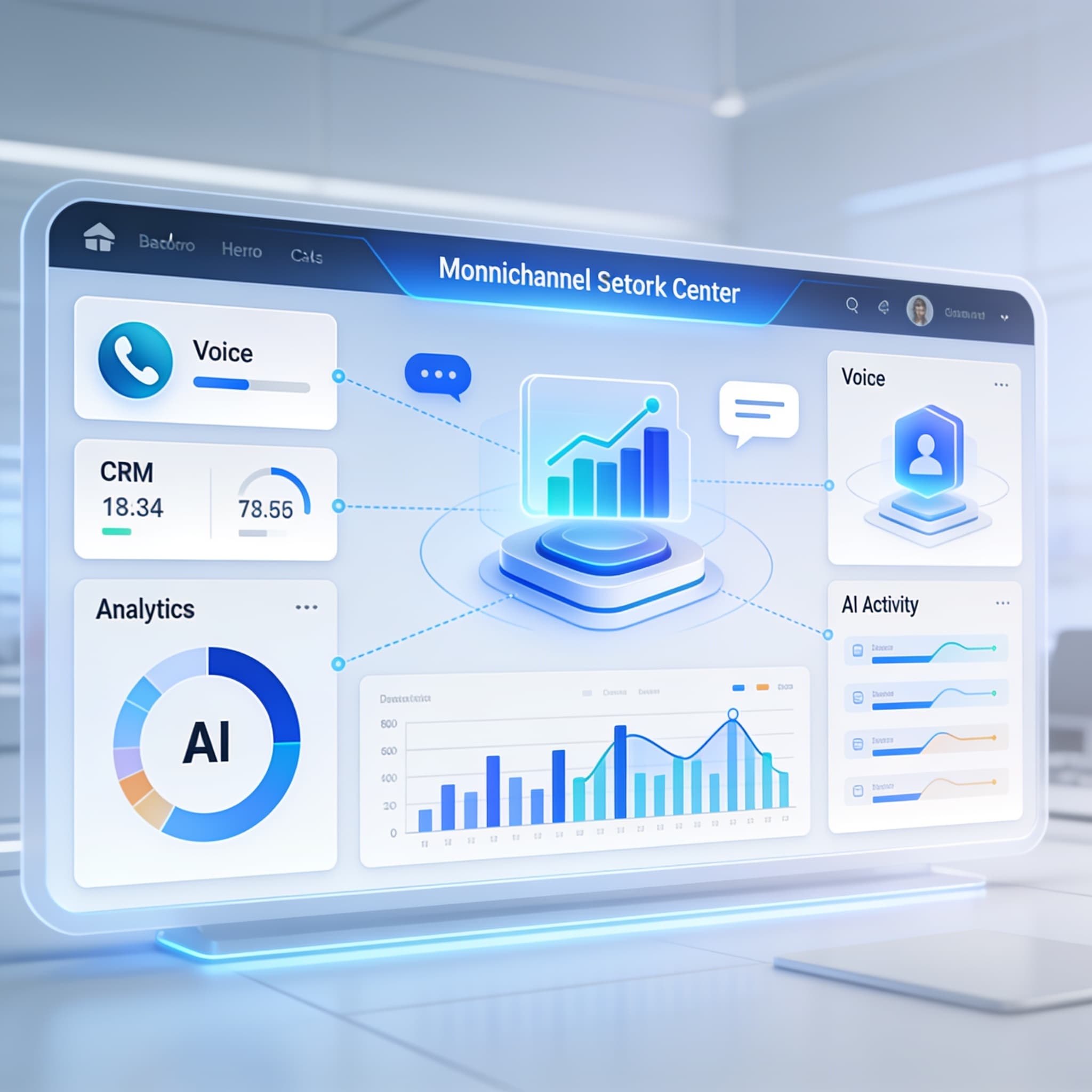
Lodgestory brings all three into one intuitive dashboard. Supervisors can switch in seconds, supported by live transcription, role‑based permissions, and post‑call analytics.
Integrating Call Barging with AI, CRM, and Ticketing
Barging isn’t an isolated feature — it’s built into Lodgestory’s AI‑first omnichannel ecosystem:
- AI Agents can pre‑brief supervisors before a barge‑in, highlighting customer history, recent WhatsApp or Email messages, and potential risk factors.
- Tickets are automatically generated if an issue escalates during a barged call, complete with sentiment data and resolution context.
- CRM Context ensures every call is attached to the right contact with rich metadata — making post‑call analysis seamless.
- Analytics Dashboards quantify the impact of barging on resolution rate, customer satisfaction scores, and SLA compliance.
By fusing these data layers, Lodgestory transforms barging from a reactive process into a proactive performance optimization tool.
Privacy, Culture, and Best Practices
While barging empowers supervisors, it also demands transparent governance. Lodgestory enables role‑based permissions, call‑barge logging, and audio disclaimers to maintain trust and compliance. Supervisors should:
- Inform agents that whisper and barge functionality are part of the coaching process.
- Use analytics to identify patterns, not penalize individuals.
- Review recorded barged calls during training sessions to foster continuous improvement.
These practices reinforce a culture of support and skill development rather than surveillance.
Real‑World Impact
- Hotels & Resorts using Lodgestory’s voice management suite report a 30% improvement in first‑call resolution and 20% reduction in guest callbacks.
- Logistics Providers leverage AI alerts to pre‑empt escalation when delivery delays are mentioned, allowing supervisors to barge in early and retain customer trust.
- Healthcare Clinics use monitor and whisper modes for agent assistance during critical triage calls, improving compliance accuracy by over 25%.
The Future of Voice Supervision
The notion of “barge‑in” is expanding beyond human supervision. Lodgestory’s roadmap integrates AI‑assisted barging, where virtual agents can detect dissatisfaction, simulate whisper guidance, and recommend or auto‑trigger supervisor intervention. Combined with smart IVR (see our guide on Top 5 IVR Features Powering Omnichannel CX in 2026), the future of voice interaction blends automation with empathy in real time.
Conclusion
Call barging isn’t just about joining a conversation — it’s about empowering teams to deliver consistent, high‑quality customer experiences when it matters most. Lodgestory unites this functionality across its Unified Inbox, Voice/IVR infrastructure, CRM, and AI layer, giving supervisors a live command center to protect relationships, accelerate resolutions, and coach agents in the moment.
Want to reimagine your call center supervision experience? Sign up for the Free Forever Plan and experience Lodgestory’s all‑in‑one omnichannel communication suite.
For more reading, check out How Lodgestory’s Automatic Call Distribution Makes Voice Support Smarter, Faster, and More Human and Automating Voice, Feedback, and Surveys with Lodgestory.