What Is Direct Inward Dialing (DID) and Why Modern Businesses Need It — Lodgestory’s Perspective
In today’s customer-first economy, nobody wants to wade through long interactive voice response (IVR) menus or wait for a receptionist to transfer them. Customers expect instant, direct, and personalized connections. This is exactly what Direct Inward Dialing (DID) enables — and it’s transforming how modern businesses manage inbound communication.
For companies using Lodgestory’s omnichannel communication suite, DID is more than a telecom feature. It’s a gateway to frictionless, scalable, and intelligent customer engagement across voice, WhatsApp, email, and every channel that matters.
Understanding Direct Inward Dialing (DID)
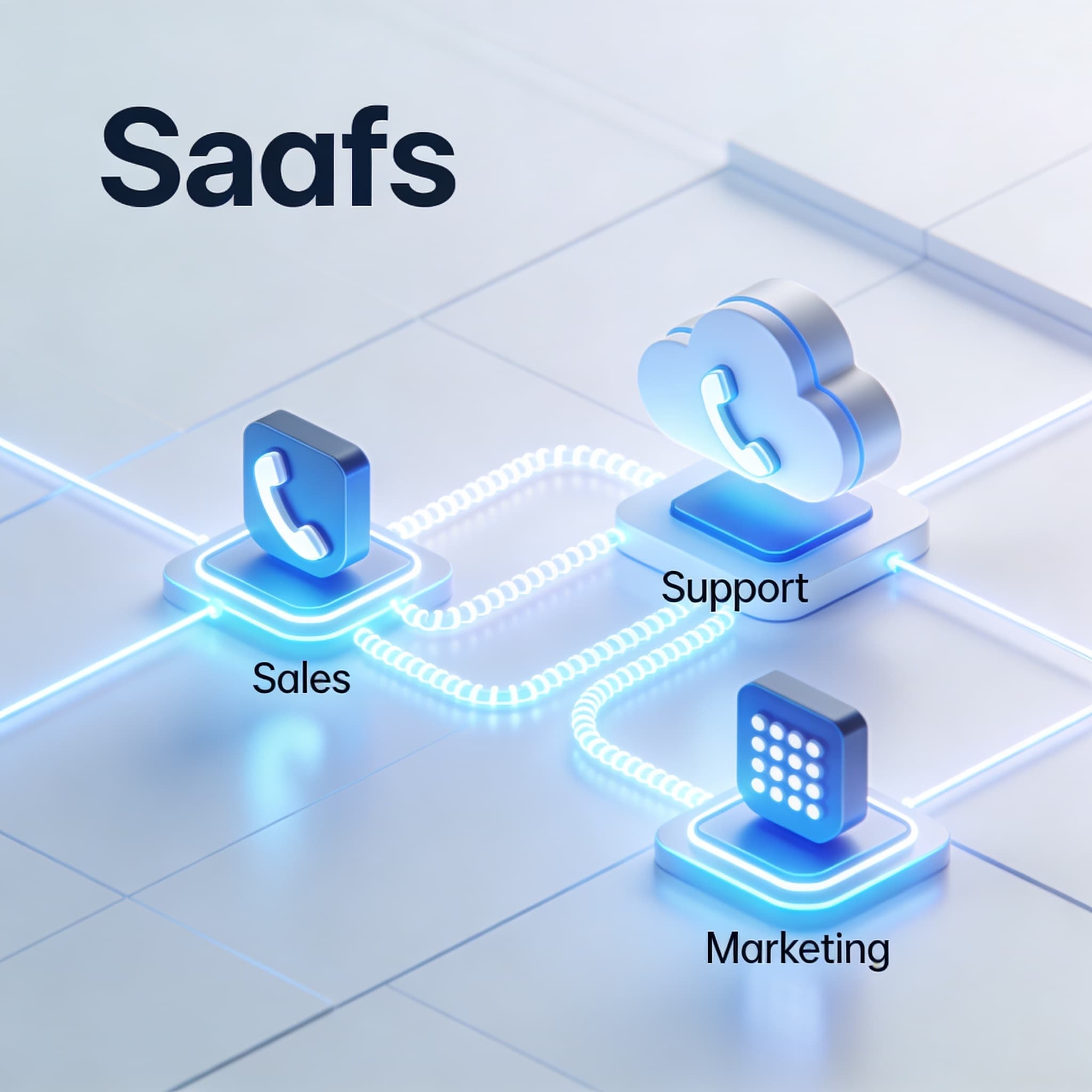
Direct Inward Dialing (DID) is a telephony feature that gives your business the ability to assign unique virtual phone numbers to individual teams, departments, or agents — all without needing separate physical lines.
When customers dial a DID number, they connect directly to the intended recipient within your organization’s PBX or VoIP system. Behind the scenes, these virtual numbers route through shared SIP trunks, making the setup significantly more cost-effective than traditional phone systems.
A single DID range might include hundreds of numbers linked to different teams — reservations, sales, billing, support, or even hyper-specific campaigns. Instead of all inbound calls flooding a central reception desk, each number takes the caller precisely to the right person or automated journey.
Lodgestory’s Voice & IVR platform, built on FreeSWITCH with Tata Tele and SignalWire SIP trunking, fully supports DID provisioning, routing, and dynamic call assignment. This eliminates wasted call time, improves first-contact resolution, and personalizes every interaction.
How DID Works in Lodgestory
Here’s how DID functions in a Lodgestory-powered contact center:
- Virtual Number Assignment — Lodgestory issues a range of virtual numbers that map directly to your internal agents, bot journeys, or routing rules.
- Routing & Logic — Each DID maps to a workflow inside Lodgestory’s IVR system, AI agent, or department queue.
- Unified Experience — All inbound calls, no matter their origin, appear in Lodgestory’s shared omnichannel inbox alongside chats, WhatsApp messages, and emails.
- AI Support — Lodgestory’s AI Agents auto‑assist in routing, answering FAQs, or escalating to human agents, ensuring callers never hit a dead end.
This granular routing is critical for large contact centers, hospitality companies, and healthcare facilities where speed and personalization directly impact CSAT scores.
Why Your Business Needs DID in 2026
1. Faster Connections = Better Customer Experience
According to industry research, DID-enabled businesses increase first‑contact resolution rates and reduce hold times by up to 40%. When customers can dial a direct number and immediately reach the right support or sales agent, frustration drops — and satisfaction rises.
With Lodgestory, DID integrates seamlessly with conversational AI, enabling callers to connect to automated workflows or the right department without delay. Whether it’s a guest calling room service or a logistics partner checking shipment status, calls are intelligently routed every time.
2. Significant Cost Savings
Legacy PBX systems require separate physical lines for each number. In contrast, DID uses VoIP or SIP trunks to route many numbers through fewer concurrent channels.
Businesses moving to SIP-based DID typically save 40–60% on telecom costs. Lodgestory amplifies those savings by combining DID with advanced call analytics, auto-routing, and WebRTC softphones — eliminating the need for costly desk equipment altogether.
3. Scale Without Hardware Overhead
Adding or removing phone lines used to mean physical rewiring. With Lodgestory Voice, scaling is instantaneous. Assign new DID numbers via dashboard, set routing logic, and begin receiving local or toll‑free calls in seconds.
This flexibility helps global teams manage operations across time zones — from a hotel in Dubai to a fulfillment center in Mumbai — under one cloud telephony account.
4. Geo‑Localized Presence
Customers prefer local numbers. Lodgestory allows businesses to acquire local or toll-free DIDs in multiple geographies, making brands appear “local everywhere.” It’s a powerful psychological advantage for conversion‑driven campaigns.
For example, a travel agency can provide +44, +61, and +91 numbers through Lodgestory’s regional trunking setup, routing all of them into a single omnichannel dashboard.
5. Marketing and Campaign Tracking
With Lodgestory’s campaign management and analytics suite, marketers can assign different DIDs to distinct advertising channels (Google Ads vs. Instagram, for instance) and measure which campaign drives the most inbound leads.
Every call becomes a data point. Combined with Lodgestory CRM’s custom properties and filtering system, this transforms call tracking into actionable insights.
6. Stronger Omnichannel Integration
Modern customers move seamlessly between phone calls, WhatsApp messages, and emails. DID numbers in Lodgestory live inside the same Unified Inbox, allowing agents to maintain full context regardless of channel.
This continuity not only improves resolution time but also fuels omnichannel analytics that reveal which pathways convert best.
DID for Hospitality, Logistics, and Healthcare — Real Use Cases
- Hotels & Resorts: Assign DID numbers for bookings, housekeeping, and guest support. Inbound calls can instantly trigger personalized AI journeys — such as booking lookups or restaurant reservations — before escalating to live staff.
- Logistics Providers: Each warehouse or route manager can have a dedicated DID to streamline delivery coordination, handled directly in Lodgestory alongside WhatsApp and SMS updates.
- Healthcare Clinics: DID routing connects patients directly to specific departments (billing, lab results, specialist scheduling) while maintaining compliance and call recordings within Lodgestory’s secure telephony system.
DID and AI: The New Age of Intelligent Voice
DID alone streamlines call routing; combined with AI, it becomes a transformative CX tool. Lodgestory’s AI Experience Engine can:
- Handle pre‑routing with natural language IVR
- Identify returning callers via CRM lookups
- Trigger workflows or campaigns mid‑call
- Hand off to human agents with full conversation history
This convergence of voice, DID, and automation marks the next frontier in intelligent telephony. It’s not just about connecting faster — it’s about connecting smarter.
For a deep dive into how Lodgestory is shaping next‑generation contact centers, explore Lodgestory Voice AI Platform: Redefining the Future of Omnichannel Contact Centers.
Key Business Advantages of DID with Lodgestory
| Benefit | Description |
|---|---|
| Cost Efficiency | Reduce up to 60% of telecom cost by consolidating trunks and removing redundant lines. |
| Speed | Connects customers directly to the right person or department — no waiting, no transfers. |
| Scalability | Instantly provision new local or toll‑free numbers without extra hardware. |
| Flexibility | Route calls to remote agents, mobile phones, or departments dynamically. |
| Analytics | Measure call source, campaign ROI, and resolution metrics in unified dashboards. |
| Omnichannel Context | Combine voice, chat, and WhatsApp threads in one workspace. |
Designing for the Future of Business Telephony
Cloud‑native DID implementation isn’t just about improving call speed. It’s about creating an ecosystem where voice integrates seamlessly with automation, AI, and analytics. As hybrid work expands and borders blur, businesses that fail to simplify their phone systems will fall behind those adopting omnichannel voice frameworks like Lodgestory.
In 2025–2026, DID is not a luxury — it’s foundational infrastructure for connected, customer‑first enterprises.
Final Thoughts
Whether you’re managing a hotel’s reservation line or scaling a global contact center, DID with Lodgestory Voice ensures every inbound call lands exactly where it should, every time. Combined with unified CRM, AI-driven routing, and analytics, it brings together business communication, context, and conversion into one powerful system.
Explore how to modernize your telephony infrastructure and unify your channels today.
👉 Sign up with the Free Forever Plan and start building your intelligent voice experience with Lodgestory.
For related insights, see Top 5 IVR Features Powering Omnichannel Customer Experience in 2026 and Unlocking Business Growth with Virtual Numbers: How Lodgestory Connects the Modern Workforce.